
A well-made patch should outlast many washes. A few simple habits make a real difference, and most of them take no extra time at all.
Washing a garment with a patch
Turn the garment inside out before it goes in the wash. That protects the stitching and the colors from rubbing against other clothes and the drum. This one step matters more than anything else on this page.
- Wash with similar colors.
- A gentle cycle is kinder to stitching and edges.
- Air-drying is gentler on patches than high heat, especially for iron-on backings.
Iron-on patches: if an edge lifts
Iron-on patches are held by a heat-activated glue. If a corner or edge starts to lift, re-press it: a few seconds of heat with a cloth between the iron and the patch usually reseats the adhesive. For a garment that is washed very often, a few stitches around the border make an iron-on patch close to permanent. Read more on our iron-on patches page.
Embroidered and woven patches
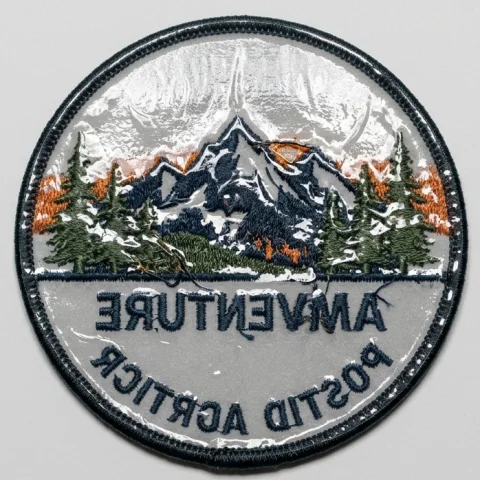
Embroidered and woven patches are thread, so treat them like the garment itself. Turn inside out to wash, and avoid snagging the border on velcro or zips in the same load.
PVC patches
PVC patches are fully waterproof and flexible, which is why they are popular on outdoor and work gear. Mud and dirt usually wipe off with a damp cloth.
Leather patches
Leather patches are debossed or laser engraved and age well over time. Wipe them occasionally and keep them out of prolonged direct sun, which dries and fades leather.
Velcro patches
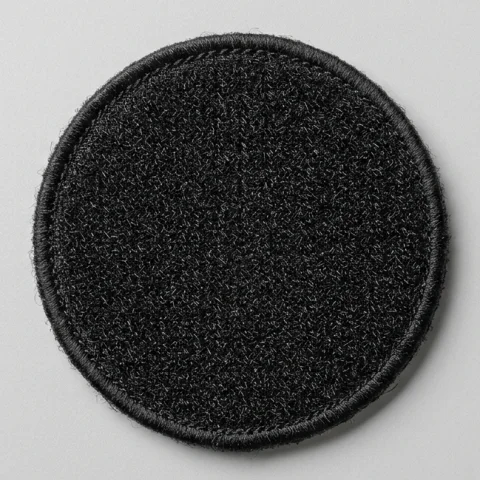
The hook side of a velcro patch picks up lint and loose thread over time, and that weakens the hold. Clean it out every so often, and close velcro panels before washing a garment so the hooks do not catch other fabric.
If something arrives wrong
Every patch gets a manual quality check (stitch density, color accuracy and edge finishing) before it ships. If yours still arrives damaged, defective or different from your approved proof, contact us within 7 days with a photo and we will remake it free or give you credit. See our Returns & Remakes policy.
Care at a glance
| Patch or backing | Do | Avoid |
|---|---|---|
| Embroidered / woven | Wash inside out with similar colors | Washing with open velcro or zips that snag thread |
| PVC | Wipe clean with a damp cloth | Nothing special: it is waterproof |
| Leather | Wipe occasionally | Long periods in direct sun |
| Iron-on backing | Re-press a lifting edge with a cloth barrier | Ironing fabric marked do-not-iron |
| Velcro backing | Clear lint and thread from the hooks | Washing with the hook side exposed |
| Adhesive backing | Use for events and short-term wear | Washing: sew it on for anything washed often |
Applying a patch so it lasts
Most care problems start at application. Sew-on is the most permanent option for anything washed and worn hard. For iron-on patches, iron the spot flat first, press firmly and evenly through a thin cloth using the time and temperature supplied with your patch, and let it cool completely before moving the garment. Our backing guide has the full step-by-step for every backing.
Care questions
Can I put a patched garment in the washing machine?
Yes for sewn-on embroidered, woven and PVC patches. Turn it inside out first. Adhesive patches are not made for washing.
My iron-on patch is peeling after washing. What now?
Re-press it with a cloth barrier for a few seconds. If the garment is washed very often, add a few stitches around the border.
How do I keep a velcro patch gripping?
Keep the hook side clean, and press the patch on firmly so the hooks fully engage with the loop panel.